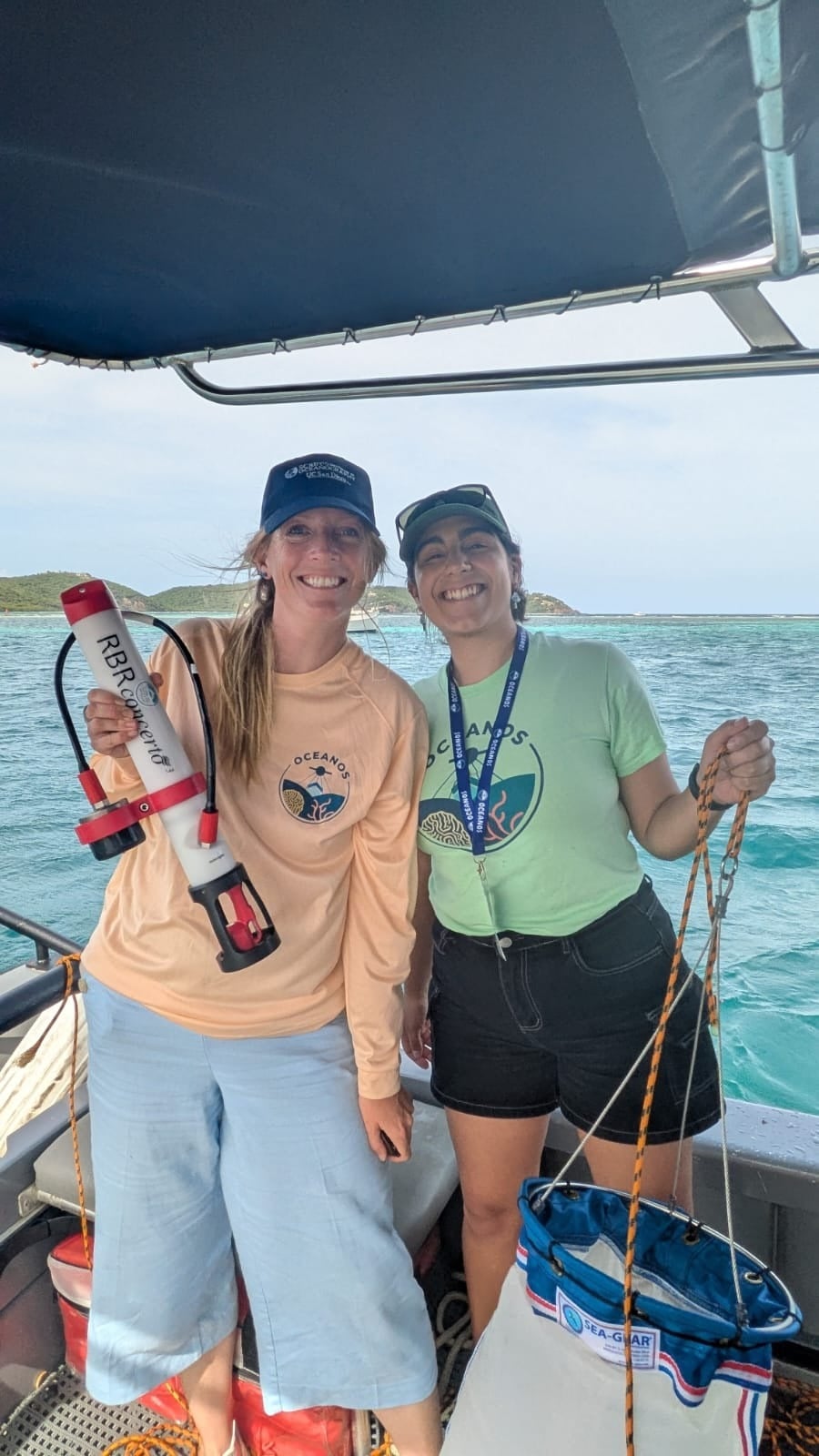
Plankton Base explorers and scientists in the polar regions
About Plankton Base

A mission-driven organization connecting science, travel, and the ocean.

We are a mission-driven organization with a unique collaboration between scientists, tour expedition operators, educators, expedition cruise travelers, and science students — collecting ocean samples to assess the impacts of a changing environment on plankton communities.

Our Mission

Ignite curiosity for our oceans through the power of the scientific process — connecting the world to the microscopic wonders that power our planet.
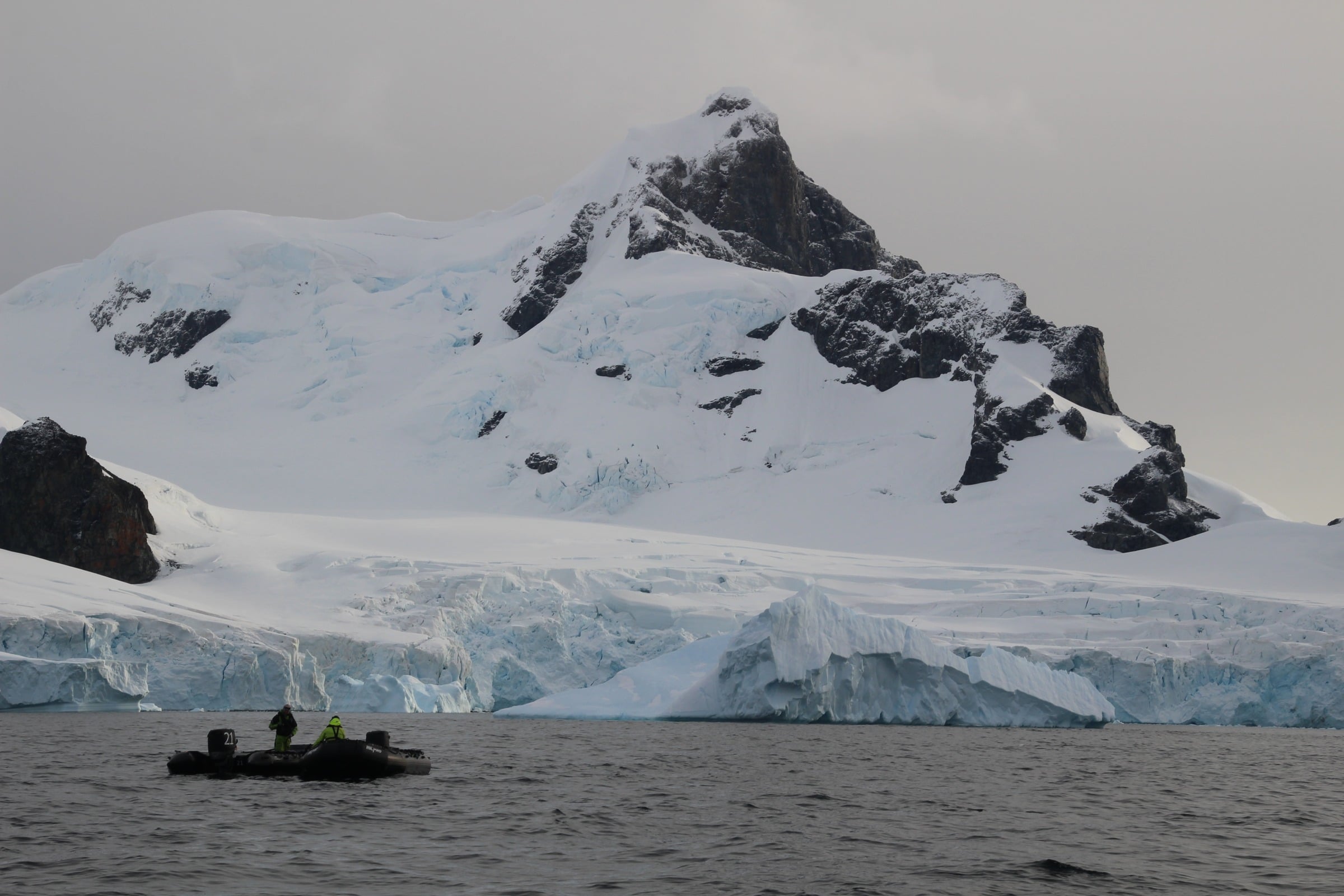
Our Vision

A connected network of explorers working toward a healthier, more approachable ocean environment.
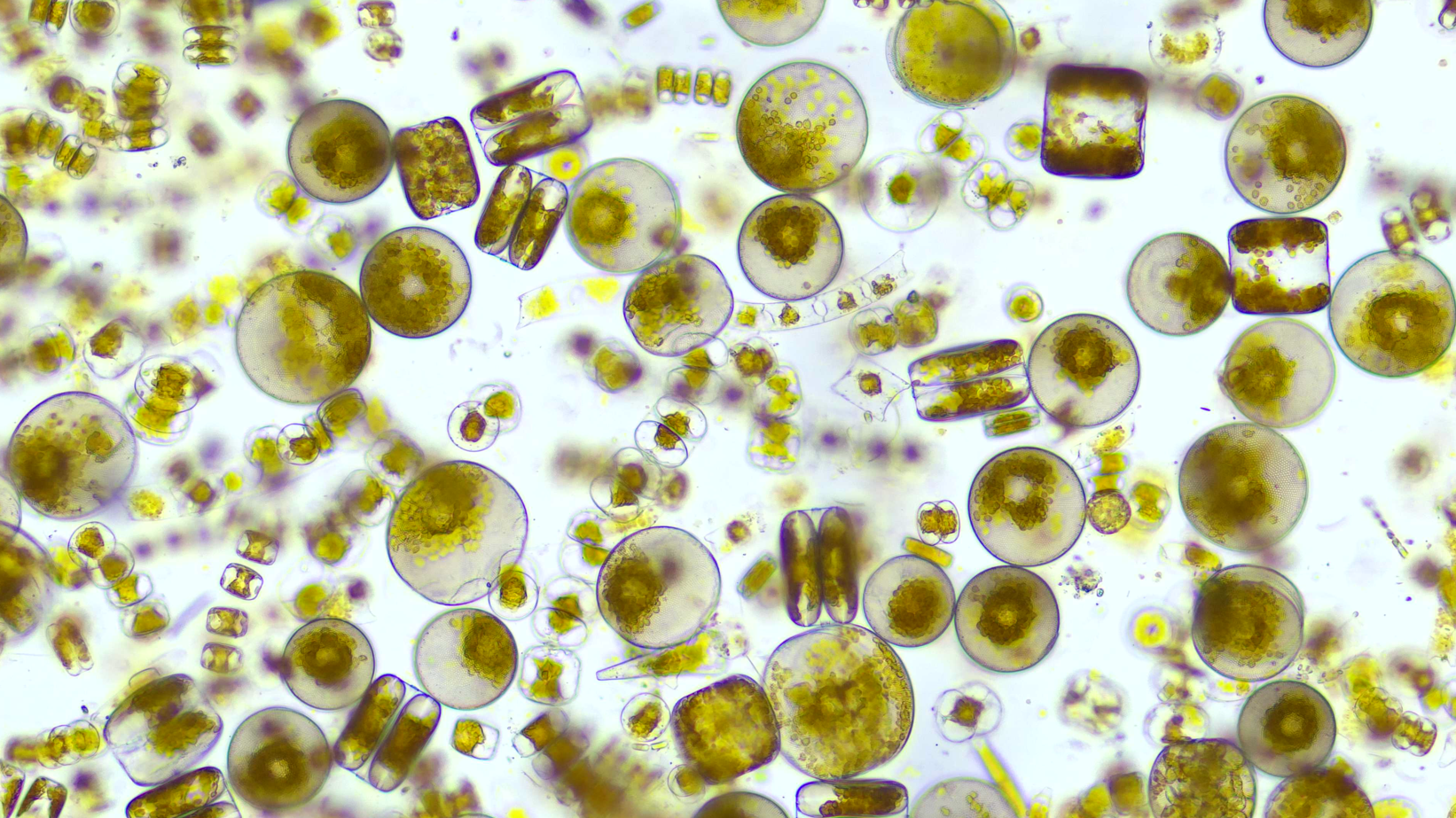
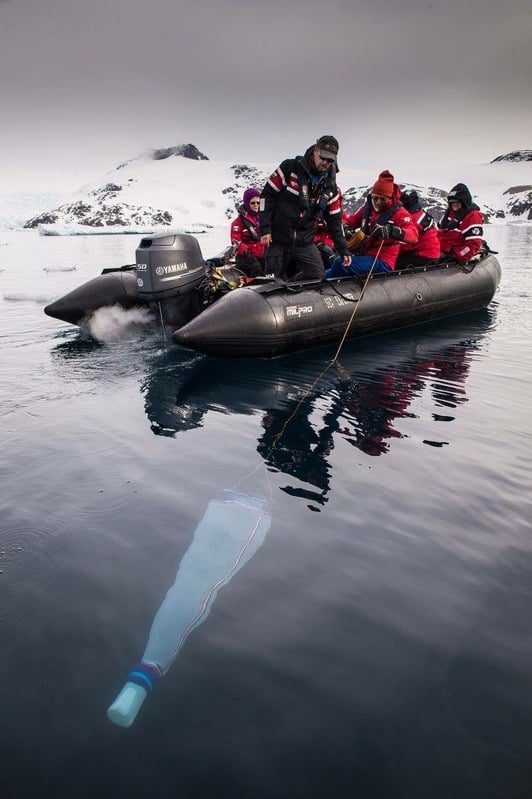
Microscopic view of diverse phytoplankton cellsTravelers participating in plankton sampling
BUILT ON A DECADE OF POLAR RESEARCH

Evolved from the proof-of-concept program FjordPhyto

The Foundation

FjordPhyto is our foundational proof-of-concept program, demonstrating that rigorous science can be a deeply engaging experience that connects people to the world's most remote regions. Born in the fjords of the Antarctic Peninsula, the program was led for a decade by Dr. Allison Cusick and Dr. Martina Mascioni. Together, they refined the art of engaging travelers in high-level research, building a premier participatory science program that has led the way in understanding seasonal changes in Antarctica's phytoplankton communities.

The Data

Through this collaboration, we have collected an extensive dataset tracking plankton community diversity and environmental dynamics. This comprehensive archive combines molecular DNA sequencing and high-resolution microscopy with quantitative assessments of cell abundance and carbon biomass, alongside critical environmental parameters such as conductivity, temperature, and chlorophyll-a fluorescence.

The Future: Plankton Base

These years of polar research and expedition collaborations laid the groundwork for everything Plankton Base now offers: a robust plankton sampling program, certified facilitator training, and a participatory pipeline that feeds into lab analytics, open-source data, and seasonal reporting. Ultimately, this framework creates enduring opportunities for educators, artists, students, and the next generation of researchers to actively monitor polar and ocean ecosystems.

How our data works

Open-access and FAIR — what that actually means

You'll see us say our data is "open-source" and follows "FAIR" principles. In plain language: open-access means the front door is unlocked and there's no cover charge — anyone can read, download, and share the data. FAIR means that once you walk in, the library is actually organized, the books are in a language everyone speaks, and the pages aren't glued together.

Open-access

Our datasets are free of charge, free of paywalls, and free of restrictive copyright. A polar researcher in Argentina, a high-school teacher, or a curious traveler all have the legal right to read, download, and reuse them.

FAIR principles

A global scientific standard that makes data genuinely usable — not just posted online. Every dataset we publish is built to be Findable, Accessible, Interoperable, and Reusable by both humans and machines.

Findable
Each dataset gets a permanent digital address and rich metadata, so a scientist searching for Antarctic plankton blooms can actually locate ours.
Accessible
No university login, no expensive software — anyone with an internet connection can retrieve it through standard, open protocols.
Interoperable
We use shared, non-proprietary formats so our records combine cleanly with NASA satellite data, British Antarctic Survey records, and other long-running datasets.
Reusable
Clear licensing and detailed documentation of equipment, coordinates, and methods let climate modelers and researchers trust, replicate, and build on the work.
About the team

Working at the intersection of polar research, education, and expedition tourism.

At Plankton Base, our team has spent 10 years pioneering participatory science programs in the most remote corners of our planet — bringing marine scientists, educators, and expedition guides together around a shared mission.

Backed by a diverse Board of Advisors in strategy and management, we build frameworks that are both scientifically rigorous and deeply human. The Plankton Base team knows what it takes to translate complex research into inspiring, engaging field experiences for travelers — while better understanding our oceans to protect them for generations to come.

The Plankton Base team
Leadership

Founding Team

Portrait of Dr. Allison Cusick
Dr. Allison Cusick
Co-Founder, Plankton Base

Allison is a US biologist and oceanographer with a background in research, genetics, and conservation, holding degrees from the University of Washington and a PhD from the Scripps Institution of Oceanography. She has spent more than 20 years working in labs, studying phytoplankton since 2010, and focusing on polar ecosystems with a special interest in Antarctica since 2013. Through her outreach platform Woman Scientist and her work directing citizen science initiatives since 2016, she connects the public directly to the wonders of marine science and climate research. Allison is a Fellow National of The Explorers Club (San Diego chapter) and a certified rescue scuba diver.

Portrait of Dr. Martina Mascioni
Dr. Martina Mascioni
Co-Founder, Plankton Base

Martina is an Argentine polar biologist and researcher with a PhD in Natural Sciences from the Universidad Nacional de La Plata. She has spent more than a decade studying marine microalgae and polar phytoplankton ecology. As a passionate advocate for ocean literacy, science diplomacy, and public engagement, Martina co-founded Plankton Base to leverage her extensive background in international citizen science, global research networks, and environmental education, bridging the gap between scientific discovery and global ocean conservation.

Kristina Ciari
Kristina Ciari
Board Chair

Kristina is a strategic communications leader with extensive experience helping mission-driven organizations deepen audience engagement, build scalable systems, and grow with intention. She is the Chief Communications Officer at Occasionally Epic Communications, and has served on multiple nonprofit boards (including as Chair for SheJumps). A skier, climber, runner, and biker based in Seattle, Kristina brings brand strategy, nonprofit governance, and storytelling expertise to help Plankton Base scale its participatory-science framework across global polar regions.

View LinkedIn profile →
Cindy Cusick
Cindy Cusick
Secretary / Treasurer

Cindy Cusick oversees the financial stewardship and operational governance of Plankton Base, bringing 35 years of expertise in organizational leadership, robust project management, and meticulous documentation. Over the course of her distinguished career, she has spent more than two decades managing high-performing teams using lean process methodologies to optimize workflows and drive operational excellence. As the Secretary and Treasurer of the Plankton Base board, Cindy ensures the nonprofit operates with complete transparency, fiscal responsibility, and the structural integrity required to support multi-year research commitments and funding program expansion. Her rare blend of strict administrative mastery and strategic lean leadership provides the stable foundation Plankton Base needs to scale its global scientific and educational impacts.

Editt Vartanian
Editt Vartanian
Board Member

Editt Vartanian is a human‑centered design practitioner and marketing strategist with 20 years of experience helping organizations bridge the gap between customer needs and business goals. Her career spans enterprise environments and dynamic startups, where she has built persuasive marketing narratives and facilitated teams toward processes that deliver customer‑centered products and services. On the Plankton Base board, she helps translate complex marine science into clear, compelling stories that expand awareness, engagement, and impact, strengthening the organization's reach across science, education, and expedition collaborations.

View LinkedIn profile →
Partners & recognition

FjordPhyto founders have garnered extensive support and recognition across the community, bringing the strengths into Plankton Base. The seasonal monitoring efforts through FjordPhyto were officially endorsed by the Southern Ocean Observing System (SOOS) as part of the United Nations Ocean Decade effort. Their research and educational initiatives have been funded and supported in the past by NASA's Citizen Science Earth Systems Program (CSESP), the NASA SMD Community of Practice for Education (SCoPE), and the National Science Foundation (NSF) Office of Polar Programs.

This work has been celebrated for its innovation and research excellence — honored by UC San Diego with the Inaugural Chancellor's Innovation Award and recognized by the Phycological Society of America for outstanding contributions to the field. Plankton Base operates through close academic collaborations with Scripps Institution of Oceanography at UC San Diego and the Universidad Nacional de La Plata, while working alongside Operators who are members of the International Association of Antarctica Tour Operators (IAATO) and Arctic Expedition Cruise Operators (AECO) to engage the polar tourism sector in rigorous scientific programming. 

Historical collaborations do not imply current endorsement of Plankton Base by these organizations.